The Legacy of Ambalappuzha
A journey through time exploring the rich cultural heritage and historical significance of this legendary town.
"From the capital of a prosperous kingdom to the birthplace of a revolutionary art form, Ambalappuzha's history is a rich tapestry of devotion, culture, and artistic rebellion."
The Ancient Kingdom
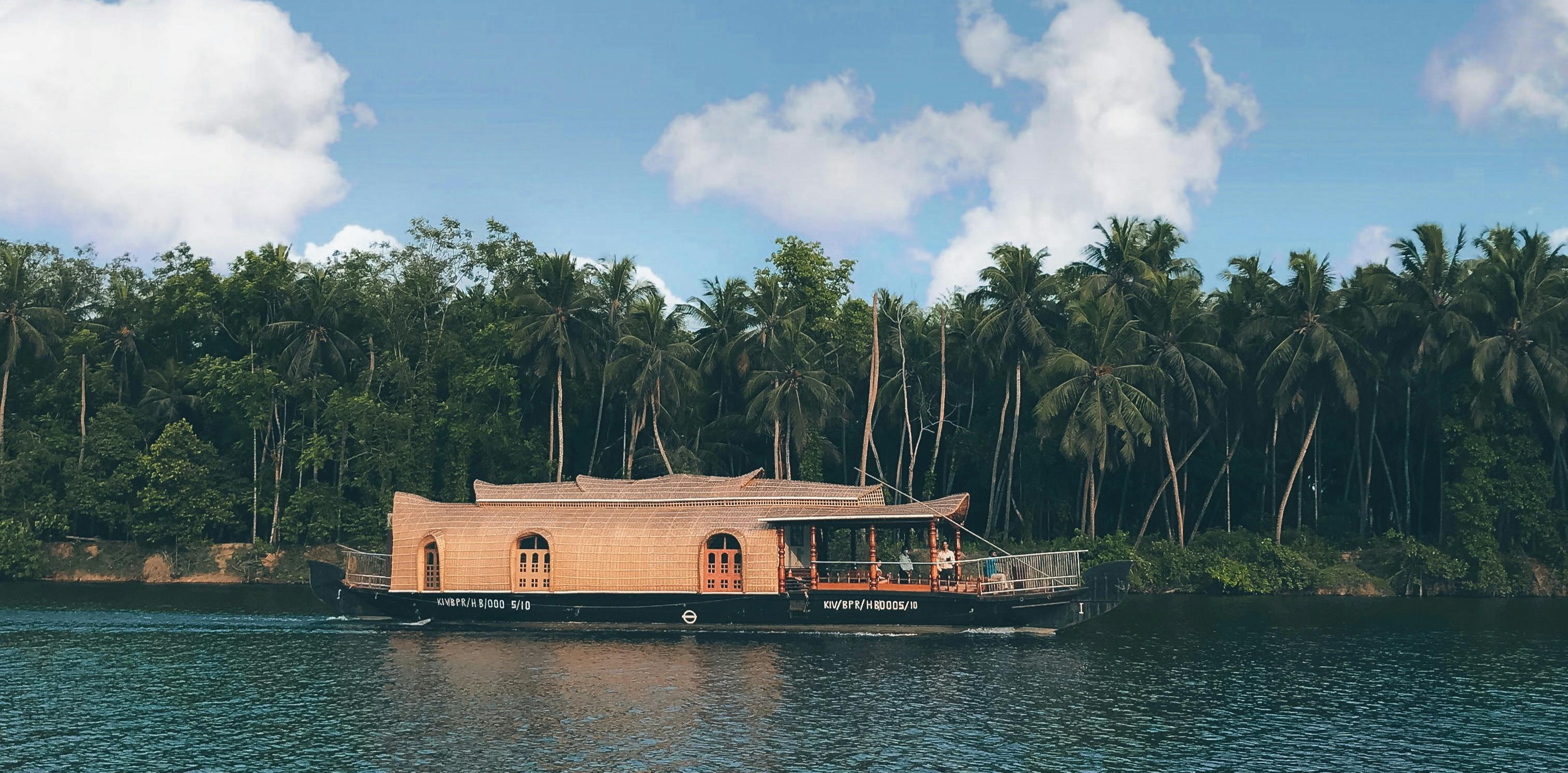
Ambalappuzha was once the capital of the Chembakassery kingdom, a prosperous feudal state ruled by Brahmin kings. These rulers were great patrons of art, literature, and culture, which allowed the region to flourish as a significant center for classical arts and scholarship in medieval Kerala.
The kingdom's strategic location along the coast and its intricate network of backwaters made it an important hub for trade, particularly in spices like pepper and cardamom, connecting it to merchants from across the ancient world.
Punnapra-Vayalar: Ambalappuzha's Revolutionary Legacy
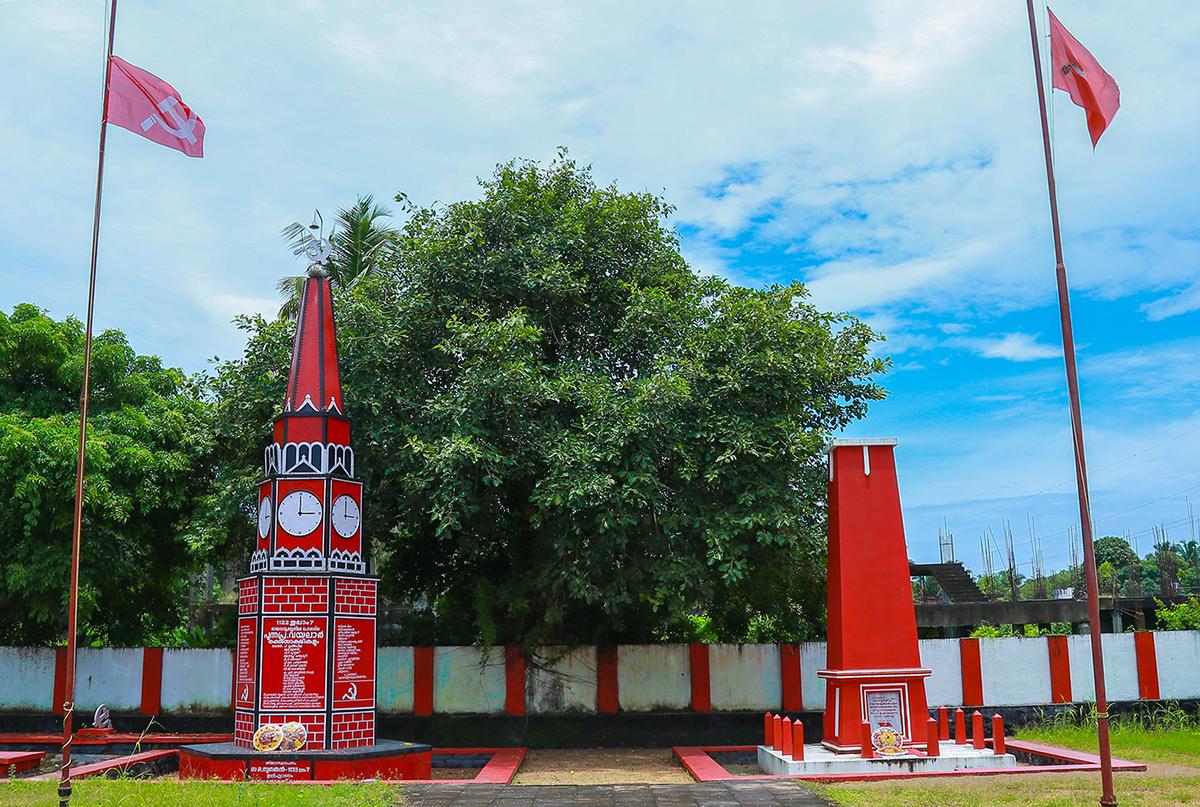
Ambalappuzha holds a special place in Kerala's modern history as the epicenter of the Punnapra-Vayalar uprising of 1946, a pivotal event in India's communist and labor movements.
The uprising was a massive revolt by the working class against the oppressive feudal policies of the Travancore Diwan, Sir C.P. Ramaswami Iyer. Thousands of peasants, coir workers, and laborers from Ambalappuzha and surrounding regions participated in what became one of the most significant armed revolts in Kerala's history.
The region of Erala, located in Ambalappuzha, played a crucial role as a strategic point during the uprising. Its backwater networks and proximity to both Punnapra and Vayalar made it an important location for mobilization and resistance activities.
Today, the Punnapra-Vayalar Memorial stands as a testament to the sacrifice of hundreds who fought for workers' rights. The uprising marked Ambalappuzha not just as a cultural and spiritual center, but as a region with deep revolutionary roots that shaped Kerala's political landscape.

The Temple of Legends
The identity of Ambalappuzha is inseparable from its magnificent Sri Krishna Temple. The main deity is worshipped in the form of Parthasarathi, the divine charioteer of Arjuna. The temple is renowned for its classic Kerala-style architecture and intricate wood carvings.
It is most famous for its unique offering, the 'Ambalappuzha Palpayasam,' a sweet milk porridge. Legend says Lord Krishna, disguised as an old sage, challenged the king to a game of chess. Upon winning, the sage asked for rice grains on the chessboard, with each square having double the grains of the previous one. The king's debt became immense, and Krishna revealed himself, stating the debt could be paid by offering Palpayasam to devotees for all time.
Kunchan Nambiar & The Poet's Art
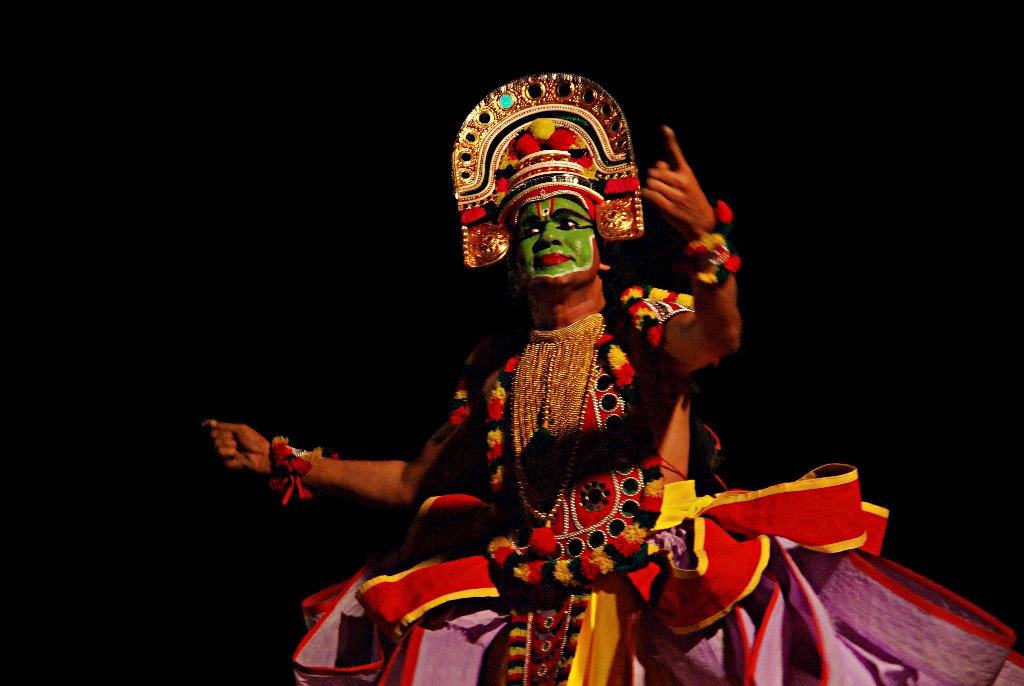
Ambalappuzha is proudly known as the birthplace of Ottamthullal, a unique and satirical solo dance-drama. This art form was created by the legendary 18th-century poet, Kunchan Nambiar. Frustrated by the elitism of existing classical arts, he developed Ottamthullal as a form of social commentary, using humor and simple Malayalam to connect with the common people.
The art form was an instant success, providing a platform for social critique through storytelling and performance. Interestingly, this tradition of social commentary through art finds a parallel in the 20th century with the Punnapra-Vayalar uprising, where the people of Ambalappuzha again used collective action to voice their concerns.
The Kunchan Nambiar Memorial in Ambalappuzha stands today as a tribute to his immense contribution to Kerala's literature and performing arts, representing the region's long-standing tradition of cultural expression.

Erala: The Backwater Heart of Ambalappuzha
Erala is a historically significant village in Ambalappuzha that represents the quintessential backwater culture of Kerala. Its strategic location along the interconnected waterways made it an important hub for trade, transportation, and community life for centuries.
During the Punnapra-Vayalar uprising, Erala's waterways served as vital channels for communication and movement between different resistance groups. The dense network of canals and the traditional knowledge of local boatmen provided the revolutionaries with tactical advantages against better-equipped forces.
Today, Erala remains an important part of Ambalappuzha's identity, showcasing:
- ✓ Traditional coir industry that sustained families for generations
- ✓ Unique ecosystem supporting diverse flora and fauna
- ✓ Living heritage of traditional boat building and fishing
- ✓ Scenic beauty that attracts tourism while preserving local culture
Historical Timeline of Ambalappuzha
Key moments that shaped Ambalappuzha's rich heritage from ancient spirituality to modern revolution.
17th Century
The iconic Ambalappuzha Sri Krishna Temple is constructed by the local ruler, Chembakassery Pooradam Thirunal-Devanarayanan Thampuran.
18th Century
Legendary poet Kunchan Nambiar invents and performs Ottamthullal, a revolutionary satirical dance-drama, for the first time at the temple.
1746
The kingdom of Chembakassery is annexed by the powerful kingdom of Travancore under its formidable ruler, Anizham Thirunal Marthanda Varma.
Late 1700s
Diwan Raja Kesavadas, the visionary administrator of Travancore, develops Alappuzha into a major port city, earning it the title "Venice of the East".
1946
The Punnapra-Vayalar uprising becomes a defining moment in Kerala's communist movement and labor history, showcasing Ambalappuzha's revolutionary spirit.
Modern Era
Ambalappuzha stands as a major cultural and spiritual hub in Kerala, famed for its living history, art forms, and tranquil backwaters.
Ambalappuzha's Enduring Legacy
Spiritual Center
Ancient temple traditions and religious harmony
Cultural Birthplace
Origin of Ottamthullal and literary excellence
Revolutionary Heart
Punnapra-Vayalar uprising changed Kerala's history
Ecological Heritage
Backwater ecosystems of Erala and sustainable living